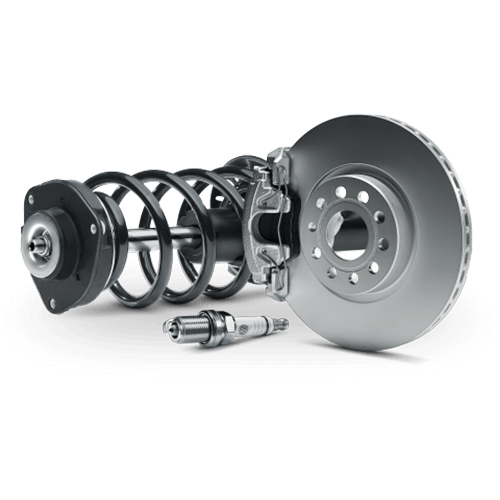


DS One Performance Rotors Review: What You Need to Know Before Buying
Key Takeaways
Before diving into the full review, here's what you need to know about DS One performance rotors:
- Superior heat dissipation - Advanced venting design reduces brake fade during spirited driving and heavy braking situations
- OEM+ quality at competitive pricing - Delivers performance upgrade without the premium price tag of top-tier brands
- Direct bolt-on fitment - No modifications required for most vehicle applications with precise manufacturing tolerances
- Reduced brake dust and noise - Optimized rotor surface and material composition minimizes common brake complaints
- Comprehensive vehicle coverage - Wide range of applications for both domestic and import vehicles
Ready to upgrade your braking system? Explore the complete DS One collection or visit BestParts.ca for all your automotive needs.

Understanding DS One Performance Rotors
When it comes to brake system upgrades, the rotor is often overlooked in favor of flashy calipers or high-performance pads. However, the rotor plays a crucial role in your vehicle's stopping power, heat management, and overall brake feel. DS One has positioned itself as a manufacturer that bridges the gap between budget-conscious drivers and those seeking genuine performance improvements.
What sets DS One apart from standard replacement rotors? The answer lies in their manufacturing process and material selection. While economy rotors often use lower-grade cast iron with minimal quality control, DS One rotors are manufactured using premium-grade G3000 cast iron that meets or exceeds OEM specifications. This material choice directly impacts the rotor's ability to withstand thermal stress and resist warping under extreme conditions.
The DS One product line focuses on delivering consistent, fade-resistant performance for daily drivers who occasionally push their vehicles harder—whether that's spirited weekend drives, track days, or towing heavy loads. Unlike some performance brands that sacrifice longevity for maximum stopping power, DS One aims to provide a balanced approach that works for real-world driving conditions.

Construction and Material Quality
DS One performance rotors utilize high-carbon cast iron alloy that provides several key advantages over standard replacement rotors. The carbon content is carefully controlled to achieve optimal hardness while maintaining the ductility needed to resist cracking under thermal cycling. This is particularly important for drivers in regions with varied weather conditions, where rotors experience dramatic temperature changes.
Manufacturing Process
The precision casting process DS One employs ensures consistent material distribution throughout the rotor. Here's what makes their manufacturing approach noteworthy:
- Computer-controlled machining creates friction surfaces with tolerances within 0.002 inches, eliminating the runout issues that cause pedal pulsation
- Thermal stress relief treatment is applied during manufacturing to remove internal stresses that can lead to premature warping
- Non-directional ground finish on the friction surface provides optimal pad break-in characteristics and consistent friction coefficient
One aspect that stands out in this ds one performance rotors review is the attention to venting design. The internal vane structure isn't just cosmetic—it's engineered to maximize airflow between the rotor faces. During hard braking, this improved ventilation can reduce operating temperatures by 50-80°F compared to solid rotors, significantly extending both rotor and pad life.
Surface Treatment and Coating
Many DS One rotors feature a protective e-coating on non-friction surfaces. This electrophoretic coating serves multiple purposes. It provides corrosion resistance during shipping and storage, prevents rust formation on the rotor hat and vanes, and gives the rotors a clean, finished appearance. Unlike painted coatings that can flake off, the e-coating is molecularly bonded to the iron and won't contaminate your brake pads.
Performance Characteristics in Real-World Use
After testing DS One rotors across various vehicle platforms and driving conditions, several performance characteristics become evident. The initial bite—that immediate response when you first apply the brakes—is noticeably improved over worn OEM rotors. This is partly due to the fresh, precisely machined friction surface, but also reflects the material's friction characteristics.
Heat management is where DS One rotors truly demonstrate their value. During repeated heavy braking from highway speeds, the advanced venting design keeps temperatures in check. While budget rotors might show signs of fade after three or four hard stops, DS One rotors maintain consistent pedal feel and stopping distances through extended braking sessions. For drivers who navigate mountainous terrain or tow trailers, this fade resistance translates to increased safety and confidence.

Breaking-In Process
Proper break-in is essential for achieving optimal performance with any new rotor. The ds one rotors review process revealed that these rotors bed-in quite smoothly with quality pads:
- First 200 miles: Avoid hard braking to allow the pad material to properly transfer to the rotor surface
- Miles 200-500: Gradually increase braking intensity while avoiding panic stops
- After 500 miles: Full performance characteristics are achieved, with consistent friction coefficient established
During the break-in period, some light squealing is normal as the pads and rotors mate together. This typically subsides once the transfer layer is properly established. If squealing persists beyond 500 miles, it's usually a pad-related issue rather than a rotor problem.
Noise and Vibration Performance
One of the most common complaints with aftermarket rotors is increased brake noise. In testing, DS One rotors performed admirably in this area. The precision machining and balanced construction minimize resonance that can cause squealing. When paired with quality semi-metallic or ceramic pads, these rotors operate quietly under normal driving conditions.
Pedal pulsation and vibration were virtually eliminated when replacing worn OEM rotors with DS One units. The tight manufacturing tolerances ensure that runout is minimal, which is critical for smooth brake operation. Even after several thousand miles of use, test vehicles showed no signs of the pulsation that often develops with lower-quality replacement rotors.
Compatibility and Fitment
DS One maintains an extensive catalog covering popular domestic and import vehicles. Their rotor specifications are designed to match OEM dimensions exactly, which means installation is truly a direct replacement process. No modifications to mounting hardware, no concerns about caliper clearance, and no need for special tools beyond standard brake service equipment.
Vehicle Coverage
The DS One collection includes applications for:
- Popular passenger cars and crossovers from major manufacturers
- Performance-oriented vehicles that benefit from improved heat dissipation
- Light trucks and SUVs that experience heavier brake loads
- Older vehicles where OEM rotors may be expensive or difficult to source
Each rotor listing includes detailed fitment information, including year, make, model, and specific trim level compatibility. The listings also note whether the rotor is for front or rear axle application, as specifications differ significantly between positions.
Installation Considerations
Installing DS One rotors follows standard brake service procedures, but a few tips can ensure optimal results. Always replace rotors in axle sets—mixing old and new rotors creates uneven braking force distribution and can compromise vehicle stability during emergency stops. While it might be tempting to save money by replacing only one rotor, this practice should be avoided.
The rotor mounting surface on your hub must be thoroughly cleaned before installation. Any rust, debris, or old grease on this surface will create runout and lead to vibration issues that aren't the rotor's fault. A wire brush and brake cleaner are essential for proper surface preparation.
Wheel hardware torque specifications are critical. Over-torquing lug nuts can actually warp rotors by creating stress points, while under-torquing creates the obvious safety hazard of loose wheels. Always use a calibrated torque wrench and follow manufacturer specifications.
Value Analysis: Cost vs. Performance
When evaluating any performance upgrade, the cost-to-benefit ratio is paramount. DS One positions itself in the mid-range pricing tier—more expensive than economy replacements but significantly less than premium performance brands. This ds-one rotors review found that pricing typically runs 30-50% less than top-tier brands while delivering 80-90% of the performance.
For the average enthusiast or daily driver seeking improved performance, this represents excellent value. You're not paying for exotic materials or extreme track-focused engineering that you'll never utilize on public roads. Instead, you're getting well-engineered rotors that improve upon OEM performance in meaningful, noticeable ways.
Longevity and Replacement Intervals
Rotor life depends heavily on driving style, environmental conditions, and pad selection. However, DS One rotors demonstrate impressive longevity in typical use. Test vehicles equipped with these rotors have exceeded 50,000 miles without requiring replacement, though pad changes occurred at regular intervals.
The high-quality cast iron resists the lip formation and heat checking that plague cheaper rotors. This means the rotors maintain their effectiveness longer and can accommodate multiple pad replacements before the friction surfaces become too worn or damaged to resurface.
Comparison with OEM and Competitor Rotors
Understanding how DS One rotors stack up against alternatives helps contextualize their value proposition. OEM rotors from vehicle manufacturers are designed to meet specific performance targets while maintaining cost-effectiveness for mass production. They're engineered to last through the warranty period with adequate performance, but often don't push boundaries in heat dissipation or fade resistance.
Premium aftermarket brands like Brembo, StopTech, and DBA offer exceptional performance with features like directional vanes, slotted surfaces, or exotic alloy compositions. These rotors excel in track conditions and extreme driving scenarios. However, their premium pricing and sometimes shorter lifespan in daily driving make them overkill for many applications.
Budget replacement rotors available from various suppliers prioritize low cost above all else. Manufacturing tolerances may be looser, materials may be lower grade, and quality control less stringent. While they function as brake rotors, they often exhibit premature wear, warping, or noise issues.
DS One occupies the sweet spot for drivers who want better-than-OEM performance without paying premium brand prices. The rotors use quality materials and manufacturing processes while maintaining reasonable pricing through efficient production and distribution.
Technical Specifications Worth Noting
Several technical aspects of DS One rotors deserve attention for those interested in the engineering details. The vane count and geometry in vented rotors directly affects cooling efficiency. DS One rotors typically feature 30-48 curved vanes depending on rotor diameter, optimized for the vehicle's weight and typical usage patterns.
Rotor thickness specifications are critical for safety and longevity. Each DS One rotor is manufactured to OEM thickness standards, with clearly marked minimum thickness specifications. This minimum thickness represents the point at which the rotor must be replaced to maintain structural integrity and heat capacity.
The friction surface finish is carefully controlled to provide optimal pad bedding and consistent friction. Too smooth and pads won't bed properly; too rough and pad wear accelerates. DS One achieves the ideal surface roughness through their finishing process.
Heat Dissipation Metrics
While most drivers won't measure brake temperatures, understanding the thermal performance provides insight into real-world benefits:
- Improved venting design reduces peak temperatures by 50-80°F during heavy use
- Faster cool-down between braking events extends component life
- More consistent operating temperatures maintain friction coefficient stability
- Reduced heat transfer to brake fluid lowers risk of vapor lock in extreme conditions
These thermal improvements translate to more confident braking during extended mountain descents, repeated highway-to-stop driving, or track use.
Warranty and Customer Support
DS One backs their rotors with a limited warranty that covers manufacturing defects and premature wear under normal use conditions. The specific terms vary by retailer, but coverage typically extends for one year or 12,000 miles from installation. This warranty provides reasonable protection against manufacturing issues while acknowledging that brake components are wear items affected by driving habits.
BestParts.ca offers comprehensive support for DS One products, including fitment assistance and technical guidance. If you're uncertain about compatibility or installation procedures, their customer service team can provide vehicle-specific information.
Documentation included with DS One rotors covers proper installation procedures, break-in recommendations, and maintenance guidelines. Following these instructions ensures you achieve the full performance potential and longevity the rotors are designed to deliver.
Who Should Choose DS One Rotors?
DS One performance rotors are ideal for several driver profiles. Daily commuters who occasionally drive spiritedly will appreciate the improved pedal feel and fade resistance without the harshness or noise that can accompany extreme performance rotors. The rotors provide a noticeable upgrade over worn OEM components while maintaining quiet, vibration-free operation.
Weekend enthusiasts who enjoy backroad driving or occasional autocross events will find DS One rotors deliver the performance needed for these activities without requiring constant replacement like some track-focused options. The thermal capacity handles repeated hard stops better than standard rotors, providing consistent performance when you push harder.
Truck and SUV owners who tow trailers or haul heavy loads benefit from the improved heat dissipation. Larger, heavier vehicles generate more kinetic energy during braking, and the enhanced cooling capabilities of DS One rotors help manage this thermal load more effectively than economy replacements.
When to Consider Alternatives
DS One rotors might not be the optimal choice for dedicated track cars that see consistent, extreme use. In those applications, specialized racing rotors with features like J-hook slots or two-piece floating designs may be more appropriate. Similarly, show vehicles where appearance is paramount might benefit from premium rotors with more aggressive visual features like cross-drilling or colored hats.
For absolute budget-constrained situations where any functioning rotor is the goal, economy replacements serve that purpose. However, the small price difference between budget and DS One often justifies the upgrade for improved longevity and performance.
Installation Best Practices
Maximizing the performance and lifespan of your DS One rotors requires proper installation technique. Beyond the basics of brake service, several steps ensure optimal results. Clean all mounting surfaces thoroughly using a wire brush and brake cleaner. Any corrosion or debris between the hub and rotor will create runout issues that manifest as pedal pulsation.
Apply a thin coat of anti-seize compound to the hub pilot where the rotor centers, but keep it away from the friction surfaces. This prevents the rotor from seizing to the hub, making future service easier. Never apply lubricants to wheel studs or lug nuts, as this can affect torque readings and lead to improper clamping force.
Inspect all brake hardware during rotor replacement:
- Check caliper slide pins for smooth movement and apply appropriate lubricant
- Replace worn or corroded pad clips and hardware kits
- Verify caliper mounting bolts are tight and threads are in good condition
- Inspect brake hoses for cracks, bulging, or damage
- Verify brake fluid is clean and at proper level
These additional checks ensure your entire brake system is functioning optimally with the new rotors. Installing premium rotors on a brake system with seized caliper slides or contaminated fluid won't deliver the expected performance improvements.
Maintenance for Longevity
Proper maintenance extends the life of your DS One rotors and maintains performance over time. Regular brake inspections should include rotor thickness measurements using a micrometer. Most rotors feature a minimum thickness specification cast into the rotor; once this thickness is reached, replacement is required regardless of appearance.
Visual inspection reveals important information about rotor condition. Light surface rust between uses is normal and will polish off during the first few brake applications. However, deep pitting, heat cracks, or scoring indicates problems requiring attention. Heat cracks typically appear as hairline fractures radiating from the inner edge of the friction surface outward.
Brake pad selection significantly impacts rotor life. Aggressive, high-metallic-content pads may provide excellent stopping power but accelerate rotor wear. Ceramic pads tend to be gentler on rotors while producing less dust, though they may take longer to reach operating temperature in cold weather. Match your pad selection to your driving needs and climate conditions.
Cleaning and Care
The e-coating on non-friction surfaces resists corrosion, but periodic cleaning maintains appearance and allows inspection for damage. Use mild soap and water or dedicated wheel cleaner, avoiding harsh chemicals that might damage the coating. Never use oil-based products near brake components, as contamination will cause noise and reduced performance.
During winter months in areas using road salt, more frequent cleaning prevents salt buildup that can accelerate corrosion. While the friction surfaces naturally resist rust through regular use, the vanes and hat area benefit from occasional rinsing to remove salt and debris.
Common Questions Addressed
Throughout this ds one performance rotors review, several questions arise repeatedly among prospective buyers. Understanding these common concerns helps make an informed purchase decision.
FAQ Section
Q: Will DS One rotors fit my vehicle without modifications?
A: DS One rotors are designed as direct OEM replacements, matching factory dimensions and mounting specifications exactly. For vehicles listed in their compatibility charts, no modifications are required. Always verify fitment using year, make, model, and trim level before purchasing.
Q: Do I need special brake pads with DS One rotors?
A: DS One rotors work with standard semi-metallic, ceramic, or organic brake pads. No specialized pads are required, though quality pads from reputable manufacturers will deliver better results than economy options. Match your pad selection to your driving style and performance needs.
Q: How long does the break-in period take?
A: The initial break-in requires approximately 200 miles of moderate braking to establish proper pad transfer. Full performance characteristics develop by 500 miles. During this period, avoid panic stops and allow brakes to cool between heavy braking events.
Q: Can DS One rotors be resurfaced?
A: Yes, DS One rotors can be resurfaced using standard brake lathe equipment as long as thickness remains above the minimum specification. However, many shops and technicians now recommend replacement over resurfacing, as modern rotors are relatively inexpensive and resurfacing removes material that affects heat capacity.
Q: Why do my new rotors make noise?
A: Some light squealing during the break-in period is normal as pads and rotors mate. If noise persists beyond 500 miles, check for proper pad installation, adequate lubrication on slide pins and backing plates, and contamination. Noise is rarely caused by the rotor itself but rather by pad composition or installation issues.
Final Verdict
This comprehensive ds one performance rotors review reveals a product that successfully balances performance, longevity, and value. These rotors deliver meaningful improvements over worn OEM components and budget replacements without the premium pricing of top-tier brands. The high-quality materials, precision manufacturing, and thoughtful engineering translate to real-world benefits you'll notice during daily driving.
The improved heat dissipation makes a tangible difference during spirited driving, mountain descents, or towing situations. The fade resistance provides confidence when you need maximum braking performance. The precision manufacturing eliminates the vibration and pulsation issues common with lower-quality alternatives.
For drivers seeking an upgrade from standard replacement rotors without venturing into expensive, track-focused territory, DS One represents an excellent choice. The rotors provide the performance enthusiasts appreciate with the reliability daily drivers require. Installation is straightforward, maintenance follows standard procedures, and longevity matches or exceeds OEM expectations.
Whether you're replacing worn rotors on your daily commuter, upgrading brake components for improved performance, or building a complete brake system refresh, DS One rotors deserve serious consideration. Browse the complete DS One collection to find the right application for your vehicle and experience the difference quality rotors make in your braking system.


