

Why Is My Check Engine Light On? Common Causes Explained
Key Takeaways
Before we dive into the details, here's what you need to know about your check engine light:
-
Not all check engine lights are emergencies: A solid yellow light usually means you can drive carefully to a mechanic, while a flashing light requires immediate attention
-
Most common causes are fixable: Loose gas caps, faulty oxygen sensors, and worn spark plugs account for over 60% of check engine light issues
-
Reading the codes is essential: An OBD-II scanner ($20-$50) helps you understand what's wrong before spending money on repairs
-
Prevention is key: Regular maintenance with quality engine oil and premium oil filters prevents many common causes
-
Don't ignore it: Even minor issues can develop into expensive repairs if left unaddressed
-
Cost varies widely: Fixes range from $0 (tightening gas cap) to $2,000+ (catalytic converter replacement)
Understanding why your check engine light is on empowers you to make informed decisions. Let's explore the common causes and what you should do about them.

Understanding Your Check Engine Light: What It Really Means
That illuminated engine symbol on your dashboard isn't just there to annoy you—it's your vehicle's way of communicating that something in the emissions control system, engine, or transmission needs attention. Modern vehicles have sophisticated onboard diagnostic systems (OBD-II) that constantly monitor dozens of sensors and components. When something operates outside normal parameters, the system stores a diagnostic trouble code (DTC) and illuminates the check engine light.
The Different Types of Check Engine Light Warnings
Solid Yellow/Amber Check Engine Light: This is the most common warning. A steady yellow light indicates the system has detected an issue that should be diagnosed soon, but it's not immediately critical. You can typically drive to a mechanic or auto parts store for diagnosis, though you shouldn't ignore it for weeks.
Flashing/Blinking Check Engine Light: This is serious. A flashing check engine light indicates an active misfire or severe problem that's currently damaging your catalytic converter. If you see this, reduce speed immediately, avoid heavy acceleration, and get to a safe location to have the vehicle towed. Continuing to drive with a flashing light can cause catalytic converter damage costing $1,000-$2,500 to repair.
Red Check Engine Light (rare): Some manufacturers use red instead of yellow for critical issues. This requires immediate attention—pull over safely and have the vehicle towed.
Check Engine Oil Light: This is different from the check engine light. The oil can symbol or "OIL" text indicates low oil pressure or oil level, which is an immediate emergency. Stop driving immediately and check your oil level. Continuing to drive with low oil pressure can destroy your engine within minutes.
How the System Works
Your vehicle's Engine Control Unit (ECU) receives data from sensors monitoring everything from oxygen levels in the exhaust to fuel mixture, ignition timing, and transmission performance. When a sensor reports values outside acceptable ranges—or when the ECU detects inconsistencies between different sensors—it stores a five-character diagnostic code (like P0420 or P0171) and triggers the check engine light.
The system is remarkably sensitive by design. It's calibrated to detect issues that might increase emissions or reduce fuel efficiency long before they cause noticeable performance problems. This is why you might have a check engine light on but your car seems to run perfectly fine.

Top 15 Common Causes of Check Engine Light
1. Loose or Faulty Gas Cap
Frequency: Extremely common (accounts for about 5-10% of all check engine lights)
Diagnostic Code: P0455, P0456, P0457
This is the easiest and cheapest fix. Your gas cap seals the fuel system, maintaining proper pressure and preventing fuel vapors from escaping. A loose, damaged, or missing gas cap triggers the evaporative emission system, causing the check engine light to illuminate.
Last year, I helped my neighbor who was panicking about her check engine light on a 2018 Honda Accord. We pulled over, I tightened her gas cap until it clicked three times, and we drove for about 20 miles. The light went off on its own after a few drive cycles. Total cost: $0.
What to do: Remove your gas cap, inspect the rubber seal for cracks or damage, and reinstall it, turning until you hear at least three clicks. If the cap is damaged, replace it—they cost $10-$30. The light should turn off within a few days of driving if this was the only issue.
2. Oxygen Sensor Failure
Frequency: Very common (one of the top 3 causes)
Diagnostic Code: P0130-P0167 (varies by sensor location)
Average Cost: $200-$400 per sensor (including labor)
Oxygen sensors monitor the amount of unburned oxygen in your exhaust, helping the ECU adjust the fuel mixture for optimal efficiency and emissions. Most vehicles have 2-4 oxygen sensors, and they typically fail after 60,000-100,000 miles due to carbon buildup and exposure to extreme temperatures.
A failing oxygen sensor doesn't usually cause noticeable performance issues initially, but it reduces fuel economy by 10-20% and increases emissions. If left unaddressed, it can eventually damage your catalytic converter—a much more expensive repair.
Symptoms beyond the check engine light:
-
Reduced fuel economy
-
Rough idle
-
Hesitation during acceleration
-
Failed emissions test
What to do: Have the specific sensor identified with an OBD-II scanner. Some sensors are easily accessible and can be DIY replaced, while others require professional service. Don't delay this repair—the cost of decreased fuel economy adds up quickly, and you risk catalytic converter damage.
3. Catalytic Converter Problems
Frequency: Common, especially in high-mileage vehicles
Diagnostic Code: P0420, P0430
Average Cost: $1,000-$2,500 (more for some luxury vehicles)
The catalytic converter reduces harmful emissions by converting toxic gases into less harmful substances. When it fails or becomes inefficient, the check engine light illuminates. Catalytic converter failure is often a secondary problem caused by ignoring other issues like oxygen sensor failure, engine misfires, or oil consumption.
Common causes of catalytic converter failure:
-
Unburned fuel from misfires reaching and overheating the converter
-
Oil or coolant contamination from engine problems
-
Physical damage from road debris
-
Using leaded fuel or low-quality fuel additives
-
Neglected maintenance and aging (typical lifespan: 100,000-150,000 miles)
What to do: This is expensive, so confirm the diagnosis before replacing. Sometimes what appears to be a catalytic converter code is actually caused by faulty oxygen sensors. A professional mechanic can perform tests to verify the converter is actually failing. Unfortunately, this repair almost always requires professional service.
4. Mass Airflow Sensor (MAF) Issues
Frequency: Common
Diagnostic Code: P0100-P0104, P0171, P0174
Average Cost: $250-$400
The MAF sensor measures the amount of air entering the engine, allowing the ECU to calculate the correct fuel mixture. When contaminated or failing, it provides incorrect data, causing running problems and triggering the check engine light.
A dirty air filter is the leading cause of MAF sensor problems. When filters aren't changed regularly, dirt bypasses the filter and coats the delicate sensor elements. Using oil-based air filter cleaners can also contaminate the sensor.
Symptoms:
-
Hard starting
-
Rough or stalling idle
-
Hesitation during acceleration
-
Black exhaust smoke
-
Poor fuel economy
What to do: Before replacing the sensor, try cleaning it with specialized MAF sensor cleaner spray ($8-$15). Never use regular cleaners or touch the sensor elements. If cleaning doesn't resolve the issue, replacement is necessary. Prevent future problems by changing your air filter regularly—every 15,000-30,000 miles depending on driving conditions.
5. Spark Plug or Ignition Coil Failure
Frequency: Very common, especially after 80,000+ miles
Diagnostic Code: P0300-P0312 (misfire codes)
Average Cost: $100-$400 for spark plugs, $150-$400 per ignition coil
Spark plugs ignite the air-fuel mixture in your engine's cylinders. When they wear out or ignition coils fail, you get misfires—incomplete combustion that triggers the check engine light and often causes a flashing light if severe.
Modern spark plugs last 60,000-100,000 miles, but they eventually wear down. Ignition coils can fail suddenly at any time, though they're more prone to failure in vehicles with 100,000+ miles.
Symptoms of misfires:
-
Engine vibration or shaking, especially at idle
-
Loss of power during acceleration
-
Increased fuel consumption
-
Rough running
-
Flashing check engine light (severe misfires)
On my 2015 Ford Explorer at 95,000 miles, I experienced a sudden check engine light with rough idling. The scanner showed a P0302 code—cylinder 2 misfire. Replacing the spark plug and ignition coil for that cylinder ($180 total) resolved it completely.
What to do: Misfire codes indicate which cylinder is affected, making diagnosis straightforward. Spark plug replacement is a manageable DIY task for many vehicles, while ignition coils vary in accessibility. If you're experiencing misfires, address them quickly—unburned fuel can damage your catalytic converter.
6. Evaporative Emission Control System (EVAP) Leaks
Frequency: Very common
Diagnostic Code: P0440-P0457
Average Cost: $0 (gas cap) to $600 (purge valve, canister, or leak detection)
The EVAP system prevents fuel vapors from escaping into the atmosphere. It includes the gas cap, fuel tank, charcoal canister, purge valve, and various hoses and connections. Leaks anywhere in this system trigger the check engine light.
Besides loose gas caps, common EVAP issues include:
-
Cracked or disconnected hoses (especially in older vehicles)
-
Failing purge valve
-
Damaged charcoal canister
-
Leaking fuel tank seals
What to do: Start by checking and tightening your gas cap. If the light persists, you'll need diagnosis to locate the leak. Some leaks are simple hose replacements ($50-$100), while others require component replacement. EVAP issues don't affect vehicle operation but will cause emissions test failure.
7. Thermostat Malfunction
Frequency: Moderate
Diagnostic Code: P0128, P0125
Average Cost: $150-$300
The thermostat regulates engine coolant temperature. When it sticks open, the engine takes too long to reach operating temperature, triggering a check engine light. When stuck closed, it causes overheating—a much more serious problem.
Symptoms:
-
Engine takes longer than normal to warm up
-
Poor heater performance
-
Reduced fuel economy
-
Temperature gauge reading lower than normal (stuck open) or higher (stuck closed)
What to do: A stuck-open thermostat isn't an immediate emergency but should be addressed within a few weeks. A stuck-closed thermostat causing overheating requires immediate attention to prevent engine damage. This repair typically requires professional service.
8. Exhaust Gas Recirculation (EGR) Valve Problems
Frequency: Common in high-mileage vehicles
Diagnostic Code: P0400-P0409
Average Cost: $250-$500
The EGR valve recirculates a portion of exhaust gases back into the engine to reduce emissions and combustion temperatures. Carbon buildup can cause the valve to stick open or closed, both triggering the check engine light.
What to do: Sometimes cleaning the EGR valve restores function, but often replacement is necessary. This is typically a professional repair, though some mechanically inclined DIYers can handle it.
9. Vacuum Leaks
Frequency: Common, especially in older vehicles
Diagnostic Code: P0171, P0174 (lean codes), P0300 (misfire)
Average Cost: $100-$400 depending on location
Your engine relies on vacuum-sealed systems for various functions. Cracks or disconnections in vacuum hoses allow unmetered air to enter the engine, disrupting the air-fuel mixture and causing running problems.
Symptoms:
-
Rough or high idle
-
Hissing sound from the engine bay
-
Poor acceleration
-
Difficulty starting
What to do: Vacuum leaks require methodical diagnosis to locate. Visual inspection sometimes reveals cracked hoses, but mechanics often use smoke tests to find difficult leaks. Once located, repairs are usually simple and inexpensive.
10. Fuel System Issues
Frequency: Moderate
Diagnostic Code: P0087, P0171-P0175, P0300
Average Cost: $100-$800 depending on component
Problems with fuel injectors, fuel pump, or fuel pressure regulators can trigger the check engine light. These issues often develop gradually as components wear or become clogged.
Using quality engine oil and maintaining your fuel system through regular filter changes helps prevent many fuel system issues. Contaminated fuel or debris can clog injectors and damage pumps.
What to do: Fuel system diagnosis requires pressure testing and sometimes injector flow testing. Professional diagnosis is recommended for persistent fuel system codes.
11. Battery or Charging System Problems
Frequency: Moderate
Diagnostic Code: P0560-P0563, various random codes
Average Cost: $100-$200 (battery), $300-$600 (alternator)
A failing battery or alternator can cause voltage fluctuations that confuse the ECU, sometimes triggering the check engine light along with various seemingly unrelated codes.
What to do: Have your battery and alternator tested—most auto parts stores do this free. Address charging system issues promptly, as they can strand you and potentially damage expensive electronics.
12. Transmission Issues
Frequency: Less common but serious
Diagnostic Code: P0700-P0799
Average Cost: Varies widely ($200-$3,000+)
While the check engine light primarily monitors engine and emissions systems, transmission problems can also illuminate it, especially in vehicles where the transmission and engine control systems are integrated.
What to do: Transmission issues require professional diagnosis. Don't delay—minor transmission problems can quickly become major expensive repairs.
13. Aftermarket Modifications
Frequency: Common in modified vehicles
Diagnostic Code: Various
Aftermarket parts like cold air intakes, exhaust systems, or performance chips can trigger check engine lights if they alter sensor readings or emissions systems beyond factory specifications.
What to do: If your check engine light appeared after modifications, the new parts may be the cause. Some modifications require ECU tuning to prevent check engine lights.
14. Sensor Wiring Issues
Frequency: Moderate, especially in older or rodent-damaged vehicles
Diagnostic Code: Various, often intermittent
Damaged wiring, corroded connections, or rodent damage to sensor wiring can cause erratic sensor readings and check engine lights.
What to do: These issues require careful diagnosis to trace the affected circuit. Look for obvious damage, but intermittent wiring problems can be frustratingly difficult to locate.
15. Software/ECU Issues
Frequency: Rare but possible
Diagnostic Code: Various, often multiple unrelated codes
Occasionally, the ECU itself malfunctions or requires a software update to address known issues. This is particularly common shortly after purchasing a used vehicle or after battery disconnection.
What to do: After addressing all other possibilities, consult a dealership about software updates or ECU testing. Sometimes a simple ECU reset resolves phantom codes.
How to Diagnose Your Check Engine Light
Understanding the diagnostic process helps you make informed decisions about repairs and avoid unnecessary expenses.
Using an OBD-II Scanner
Every vehicle manufactured after 1996 has an OBD-II diagnostic port, usually located under the dashboard near the steering column. You can purchase a basic OBD-II scanner for $20-$50, or many auto parts stores will scan your codes for free.
Step-by-step diagnostic process:
Connect the scanner to the OBD-II port with the engine off. Turn the ignition to "ON" without starting the engine. Select "Read Codes" on your scanner. Write down all codes displayed—they'll be five-character codes starting with P (powertrain), B (body), C (chassis), or U (network).
Research each code online or use your scanner's code definitions. Many codes point to specific components or systems, while others indicate general issues requiring further diagnosis.
Important note: The diagnostic code tells you what system triggered the light, not necessarily which part to replace. For example, a P0420 catalytic converter code could mean a bad converter, but it could also mean failing oxygen sensors or exhaust leaks.
Understanding Code Patterns
Single code: Usually indicates a specific problem in one system
Multiple related codes: Often point to one underlying issue affecting several systems (like vacuum leaks causing multiple lean codes)
Multiple unrelated codes: May indicate wiring issues, ECU problems, or battery/charging system issues
When Professional Diagnosis Is Worth It
While OBD-II scanners are invaluable tools, some situations benefit from professional diagnosis:
-
Intermittent problems that come and go
-
Multiple complex codes requiring specialized testing
-
Any situation where safety is concerned
-
When initial DIY repairs don't resolve the issue
-
Before expensive repairs like catalytic converters or transmissions
A proper diagnostic session costs $100-$150 but can save you hundreds by accurately identifying the problem before parts replacement.
Severity Guide: What Requires Immediate Action
Not all check engine lights represent equal urgency. Here's how to prioritize your response.

Stop Driving Immediately
Flashing check engine light: Indicates active severe misfires that are damaging your catalytic converter right now. Pull over safely as soon as possible and have the vehicle towed.
Check oil light illuminated: This isn't technically the check engine light, but if your oil pressure or oil level warning is on, stop immediately. Check your oil level and add oil if needed. If the light stays on with proper oil level, don't drive—you likely have an oil pressure problem that will destroy your engine.
Check engine light plus overheating: If your temperature gauge is in the red or you see steam from the hood, stop immediately to prevent catastrophic engine damage.
Check engine light plus unusual noises: Knocking, grinding, or loud rattling combined with the check engine light often indicates serious mechanical problems. Stop driving and have the vehicle inspected.
Address Within a Few Days
Solid check engine light with performance issues: If you're experiencing rough running, stalling, significant power loss, or other driveability problems along with the check engine light, have it diagnosed within 2-3 days.
Check engine light plus poor fuel economy: While not an immediate emergency, this often indicates problems that will cost you more in wasted fuel than the repair would cost.
Address Within 2-4 Weeks
Solid check engine light, normal performance: If your car runs normally but the check engine light is on, you can typically drive for a couple weeks while arranging diagnosis and repair. However, don't put it off indefinitely—minor problems become major ones.
Check engine light before emissions testing: If your state requires emissions testing, address the check engine light before your test—you'll automatically fail with the light on.
Can Wait But Shouldn't Be Ignored
Check engine light immediately after fueling: Likely a gas cap issue. Tighten the cap and wait a few days. If it doesn't resolve, investigate further.
Check engine light after modifications: New aftermarket parts sometimes trigger codes. Research whether this is expected for your modification.
Prevention: Keeping Your Check Engine Light Off
Preventive maintenance is always cheaper than reactive repairs. These practices minimize check engine light issues.
Regular Oil Changes
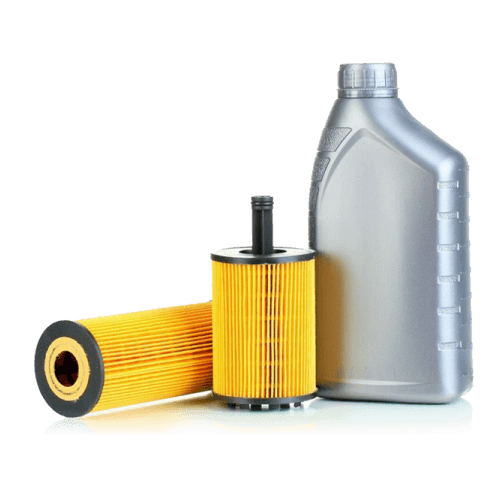
This is the foundation of engine health. Using premium engine oil and quality oil filters from Best Parts ensures proper lubrication and helps prevent issues that trigger check engine lights. Follow your manufacturer's recommended interval—typically every 5,000-7,500 miles for conventional oil or 7,500-10,000 miles for synthetic.
Neglected oil changes cause sludge buildup that can clog oil passages, damage variable valve timing systems, and cause sensor failures—all potential check engine light triggers.
Replace Air Filters Regularly
Clean air filters prevent debris from contaminating your MAF sensor and ensure proper air-fuel mixture. Replace engine air filters every 15,000-30,000 miles, or more frequently if you drive in dusty conditions.
Use Quality Fuel
While you don't necessarily need premium fuel unless specified by your manufacturer, avoid the cheapest no-name gas stations. Contaminated or low-quality fuel can damage fuel system components and sensors. Periodic use of quality fuel system cleaners can help prevent deposit buildup.
Address Issues Promptly
Small problems become big problems when ignored. That slight rough idle or minor decrease in fuel economy often precedes a check engine light. Addressing issues early prevents cascading failures.
Keep Up with Scheduled Maintenance
Follow your owner's manual maintenance schedule for spark plug replacement, fluid changes, and system inspections. These scheduled services catch problems before they trigger warning lights.
Protect Against Rodents
Mice and rats love to nest in engine bays and chew wiring. If you park outdoors or in garages where rodents are present, inspect under your hood periodically for nesting materials or chewed wires.
Watch Your Temperature Gauge
Overheating can damage multiple components and trigger check engine lights. If your temperature gauge climbs higher than normal, address it immediately before expensive damage occurs.
For all your preventive maintenance needs, Best Parts offers comprehensive automotive maintenance products that keep your vehicle running reliably and your dashboard warning lights off.
Frequently Asked Questions
Q: Can I drive with my check engine light on?
It depends. A solid yellow check engine light typically means you can drive carefully to a mechanic or auto parts store for diagnosis, but you shouldn't ignore it for extended periods. A flashing check engine light means stop driving as soon as safely possible—you're causing active damage. Always prioritize safety and avoid long trips until you understand what triggered the light.
Q: Why is my check engine light flashing then stops?
An intermittent flashing check engine light indicates severe misfires that occur under certain conditions—typically during acceleration or under load—but not at idle or light throttle. This is serious. Even if the light stops flashing, you're causing catalytic converter damage when it does flash. Have it diagnosed immediately. Common causes include failing ignition coils, fouled spark plugs, or fuel delivery issues.
Q: Will my check engine light reset itself?
Sometimes. If the problem was temporary (like a loose gas cap that you've since tightened), the light should turn off automatically after 3-4 drive cycles once the ECU confirms the problem is resolved. However, if an actual component has failed, the light will stay on until the issue is repaired. You can manually clear codes with an OBD-II scanner, but the light will return if the underlying problem persists.
Q: How much does it cost to fix a check engine light?
Costs vary dramatically depending on the cause, ranging from $0 (tightening a gas cap) to $2,500+ (catalytic converter replacement). Common repairs include oxygen sensors ($200-$400), spark plugs ($100-$300), and mass airflow sensors ($250-$400). Diagnostic fees typically run $100-$150. This is why reading the codes yourself can save money—you'll know whether you're facing a $10 gas cap or a $1,000 repair.
Q: Can a low battery cause the check engine light?
Yes. A failing battery or alternator can cause voltage fluctuations that confuse sensors and the ECU, sometimes triggering the check engine light along with seemingly random codes. If you're getting multiple unrelated codes and your battery is 3-5 years old, have your charging system tested before spending money on other repairs.
Q: What's the difference between the yellow check engine light and check oil light?
These are completely different warnings. The yellow check engine light (engine symbol) indicates emissions system, engine performance, or transmission issues—you can typically drive to diagnosis. The check oil light (oil can symbol or "OIL" text) indicates low oil pressure or level—this is an emergency requiring immediate shutdown to prevent engine destruction. Never confuse these two warnings.
Q: Will the check engine light turn off if I disconnect the battery?
Yes, disconnecting the battery for 15+ minutes will clear stored codes and turn off the light. However, if the underlying problem still exists, the light will return—sometimes within seconds of restarting. This approach also erases other computer memories (radio presets, learned engine parameters, etc.) and doesn't actually fix anything. It's better to read the codes, make necessary repairs, then clear them properly with a scanner.
Q: Can weather cause my check engine light to come on?
Indirectly, yes. Cold weather can reveal developing problems with sensors, cause condensation in fuel systems, make gas cap seals brittle and leak, or expose vacuum leaks that don't appear in warm weather. Extreme heat can cause similar issues. If your check engine light appears with seasonal weather changes, temperature-sensitive components may be failing.
Q: How long can I drive with the check engine light on?
This depends entirely on what caused it. For minor issues like EVAP leaks from loose gas caps, you could technically drive for months (though you shouldn't). For serious issues like failing catalytic converters or misfires, every mile driven causes additional damage and increases repair costs. Get it diagnosed within a few days to understand what you're dealing with, then make an informed decision about repair timing.
Q: Why does my check engine light come on and off?
Intermittent check engine lights indicate problems that occur only under specific conditions—certain temperatures, speeds, or engine loads. Common causes include loose electrical connections, sensors on the verge of failure, or intermittent short circuits. These are frustrating to diagnose but shouldn't be ignored. An OBD-II scanner can often retain codes even after the light goes off, providing clues about the intermittent issue.
Conclusion: Taking Control of Your Check Engine Light
Understanding why your check engine light is on transforms it from a source of stress into actionable information. While that illuminated dashboard symbol might feel overwhelming, remember that most causes are fixable and many are inexpensive. The key is taking action—reading the codes, understanding what they mean, and addressing problems before they escalate.
Your vehicle's check engine light is actually a helpful early warning system. Modern cars are designed to detect issues long before they cause breakdowns or major damage. By paying attention to this warning and responding appropriately, you avoid the much more expensive consequences of ignored problems.
Invest in a basic OBD-II scanner if you don't already own one. This $20-$50 tool pays for itself the first time it helps you identify a simple fix or prevents an unnecessary tow. Combined with a little research and the guidance in this article, you'll be equipped to make informed decisions about your vehicle's health.
Prevention remains your best strategy. Regular maintenance with quality engine oil, premium oil filters, and attention to your manufacturer's service schedule prevents many of the issues that trigger check engine lights. When you maintain your vehicle properly, you minimize both the frequency of warning lights and the severity of problems when they do occur.
Remember the severity guidelines: a flashing light means stop driving immediately, while a solid light typically gives you time for proper diagnosis. Never ignore warning lights, but also don't panic—many check engine light causes are manageable with the right information and approach.
Ready to take control of your vehicle maintenance? Visit Best Parts for premium automotive maintenance products that keep your engine running smoothly and your dashboard warning-free. From top-grade oils to reliable filters and diagnostic tools, we provide everything you need to maintain your vehicle confidently and prevent costly repairs.
Your check engine light doesn't have to be a mystery or a source of stress. With knowledge, the right tools, and quality maintenance products, you can handle whatever your dashboard throws at you.


