


How to Tell If a Sway Bar Link Is Bad: Symptoms You Shouldn't Ignore
Key Takeaways
Before diving deep into the details, here's what you need to know about identifying a bad sway bar link:
- Clunking or rattling noises when driving over bumps are the most common warning signs
- Excessive body roll during turns indicates compromised stability control
- Uneven tire wear can result from prolonged sway bar link issues
- Visual inspection reveals cracked rubber bushings or loose connections
- Early detection prevents more expensive suspension damage and improves safety
If you're experiencing any of these symptoms, it's time to inspect your vehicle's suspension system. For quality replacement parts and expert solutions, visit BestParts.ca – your trusted source for reliable automotive components.
Understanding Your Vehicle's Sway Bar System
Your vehicle's sway bar system plays a crucial role in maintaining stability and control, especially during cornering and uneven road conditions. The sway bar link, though small, serves as a vital connector between the sway bar (also called stabilizer bar) and the suspension components.
When functioning properly, sway bar links help distribute weight evenly across your vehicle's wheels, reducing body roll and improving handling. However, these components endure constant stress from road impacts, temperature fluctuations, and the natural wear-and-tear of daily driving.
What Does a Sway Bar Link Do?
The sway bar link connects the sway bar to the control arm or strut assembly. During cornering, when one side of your vehicle dips lower than the other, the sway bar transfers force through these links to level out the chassis. This mechanical action happens countless times during every drive, which explains why sway bar links eventually wear out.
Modern vehicles typically have sway bar links on both the front and rear suspension systems, though front links tend to fail more frequently due to greater steering forces and weight distribution.
Common Bad Sway Bar Link Symptoms
Recognizing the warning signs of a failing sway bar link can save you from more extensive suspension damage and potential safety hazards. Here are the most reliable indicators that your sway bar links need attention.
1. Distinctive Clunking and Rattling Noises
What does a bad sway bar link sound like? This is perhaps the most frequently asked question by vehicle owners noticing unusual sounds. A failing sway bar link produces a characteristic clunking, knocking, or rattling noise that becomes especially noticeable when:
Driving over speed bumps or potholes creates sharp, metallic clunking sounds from the front or rear of your vehicle. The noise occurs because worn bushings or loose ball joints allow excessive movement within the link assembly. You might hear a single "clunk" per bump, or a series of rattles if the damage is severe.
Making low-speed turns in parking lots often amplifies these sounds. As your vehicle's weight shifts during the turn, the compromised sway bar link struggles to maintain its connection, resulting in audible clicking or knocking. Many drivers first notice this symptom when backing out of their driveway or navigating tight parking spaces.
Driving on rough or uneven roads transforms every imperfection into an audible reminder of the problem. The constant rattling can range from mildly annoying to seriously concerning, depending on the extent of wear.
2. Excessive Body Roll During Cornering
One of the primary functions of your sway bar system is controlling body roll. When sway bar links fail, you'll notice your vehicle leans more dramatically during turns. This increased body roll occurs because the disconnected or weakened link can no longer effectively transfer stabilizing forces across the suspension.
The sensation becomes particularly evident during highway lane changes or spirited driving on winding roads. Your vehicle may feel less planted and more "floaty" compared to its normal handling characteristics. While this might not seem dangerous at first, compromised stability control increases your risk during emergency maneuvers.
3. Poor Handling and Reduced Steering Response
Bad front sway bar link symptoms often manifest as degraded steering precision. You might experience:
A vague or loose feeling in the steering wheel, especially when initiating turns or making quick corrections. The steering may feel less connected to the road, requiring more input to achieve the same response. This happens because the front sway bar can no longer effectively support the suspension geometry during weight transfer.
Increased steering effort in some cases, as the suspension works harder to compensate for the missing stabilization from the sway bar system. Your vehicle might also feel less stable at highway speeds, with a tendency to wander slightly within the lane.
4. Visible Damage During Inspection
Physical inspection often reveals obvious signs of failure:
- Cracked or torn rubber bushings that show deterioration from age, heat, or chemical exposure
- Excessive play or movement when you manually test the link by pushing and pulling
- Rust or corrosion around metal components, particularly in vehicles exposed to road salt
- Separated ball joints where the link attaches to suspension components
- Bent or damaged link rods from impact or excessive stress
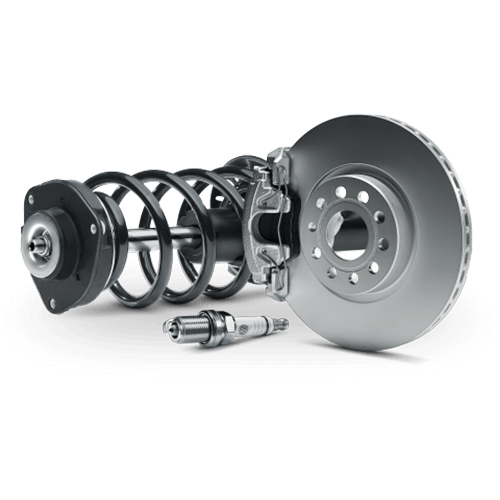
For comprehensive suspension maintenance and quality replacement parts, explore our Suspension, featuring components designed to restore your vehicle's handling performance.
5. Unusual Braking Behavior
While less obvious than clunking noises, bad sway bar link symptoms can also manifest during braking, particularly with front suspension issues. When you apply the brakes, you might notice your vehicle's front end diving more dramatically than usual, or experiencing an unsettling shimmy through the steering wheel.
This happens because failed sway bar links can no longer stabilize the chassis during weight transfer. As your vehicle's weight shifts forward under braking, the compromised suspension allows excessive nose-diving and uneven weight distribution across the front wheels. Some drivers also report their vehicle pulling slightly to one side during moderate to heavy braking, which occurs when one link fails while the other remains functional.
The connection between braking and sway bar links becomes particularly noticeable during emergency stops, where proper suspension geometry is critical for maintaining tire contact and achieving maximum braking performance. If you experience unusual front-end movement or steering vibrations when braking—especially combined with other symptoms like clunking noises—your sway bar links warrant immediate inspection.

Front vs. Rear Sway Bar Link Symptoms
Understanding the difference between front and rear sway bar link failures helps you diagnose issues more accurately and communicate effectively with your mechanic.
Bad Front Sway Bar Link Symptoms
Front sway bar links fail more commonly due to increased stress from steering forces and weight transfer during braking. Symptoms of a bad sway bar link in the front include:
Steering-related noises that change with the direction of your turn. You'll typically hear clunking when turning the wheel, particularly at low speeds. The front of your vehicle may also exhibit more pronounced body roll during cornering, with the nose diving more dramatically during braking.
Front link failures often produce noises that seem to come from directly beneath the driver or passenger seat, making them easier to locate. The handling degradation also tends to be more noticeable, as front suspension geometry has a more direct impact on steering feel and responsiveness.
Rear Sway Bar Link Symptoms
Rear sway bar links experience different stress patterns, primarily from weight transfer during acceleration and the constant flexing caused by road imperfections. When rear links fail:
You'll hear noises from the back of the vehicle, often described as coming from "somewhere behind the seats." These sounds are most noticeable when driving over bumps or rough pavement. The rear end may feel less planted during cornering, with a tendency to swing out more than normal in turns.
Rear link failures sometimes produce a subtle knocking sensation through the chassis that's felt more than heard. The back of your vehicle might also bounce excessively after going over bumps, indicating that the sway bar can no longer effectively dampen suspension movement.

Consultation and purchase of Brakes, Brake rotor, Brake pad, Brake sensor, Brake drum, Brake shoes types from bestparts.ca
read more: The Ultimate Car Suspension Buying Guide
Here is How to Identifying Problems Early
The Morning Driveway Test
Many vehicle owners first notice sway bar link problems during their daily routine. One common scenario involves backing out of a sloped driveway. As the vehicle's weight shifts from front to back, a failing sway bar link produces a distinctive "clunk" that seems to come from beneath the vehicle.
Sarah, a commuter from Toronto, described her experience: "I started hearing a single knock every morning when I backed out. At first, I thought something was loose in my trunk. After a week, the noise got louder, and I noticed my car felt different going around corners. My mechanic found the driver's side front sway bar link had completely separated."
The Highway Lane Change Warning
Another telltale scenario occurs during highway driving. When changing lanes at speed, a vehicle with worn sway bar links exhibits more body roll than normal, feeling less stable and secure. This becomes particularly noticeable when making multiple lane changes in succession or navigating curved highway ramps.
The Parking Lot Indicator
Low-speed turning in parking lots often amplifies sway bar link noises to the point where they become impossible to ignore. The combination of full steering lock and uneven pavement creates the perfect conditions for hearing those characteristic clunks and rattles.
Mark, a fleet manager, noted: "We train our drivers to report any unusual noises in parking lots. It's saved us thousands in preventive maintenance costs by catching sway bar link failures before they damage other suspension components."
Why Sway Bar Links Fail
Understanding the causes of failure helps you anticipate maintenance needs and potentially extend the life of these components.
Normal Wear and Age
Sway bar links contain rubber bushings and ball joints that naturally degrade over time. Rubber components become brittle with age, losing their ability to absorb impacts and maintain tight connections. Most sway bar links last between 75,000 and 150,000 miles under normal driving conditions, though this varies significantly based on:
Environmental factors play a major role in component longevity. Vehicles operated in regions with harsh winters face accelerated wear from road salt, which corrodes metal components and degrades rubber bushings. Extreme temperature fluctuations cause rubber to crack and harden, reducing its effectiveness as a cushioning material.
Driving style and road conditions significantly impact wear rates. Aggressive driving with hard cornering and frequent braking puts additional stress on sway bar links. Similarly, regularly driving on poorly maintained roads with numerous potholes and bumps accelerates the breakdown of these components.
Impact Damage
A single severe impact from hitting a deep pothole or striking a curb can immediately damage or weaken a sway bar link. Even if the link doesn't fail immediately, the structural integrity may be compromised, leading to premature failure weeks or months later.
Manufacturing Defects and Quality Issues
Not all sway bar links are created equal. Cheaper aftermarket parts may use inferior materials or manufacturing processes that result in shorter service life. When replacing failed links, investing in quality components makes economic sense over the long term.
For premium-quality suspension components, consider Lemforder Suspension Parts – a brand trusted by automotive professionals for durability and precise engineering. Lemforder's OEM-quality parts often match or exceed original equipment specifications, providing reliable performance and extended service life.

How to Inspect Your Sway Bar Links
While professional inspection is always recommended, understanding how to perform a basic visual check can help you identify obvious problems.
Visual Inspection Process
Park your vehicle on level ground and engage the parking brake. Using a flashlight, look underneath the front and rear of your vehicle to locate the sway bar links. These typically appear as short connecting rods running between the sway bar and the suspension control arm or strut.
Check the rubber bushings at each end of the link for visible cracks, tears, or deterioration. Healthy bushings should be intact and firmly seated in their mounts. Look for signs of grease leakage around ball joints, which indicates seal failure.
Physical Movement Test
With the vehicle safely supported (never work under a vehicle supported only by a jack), grasp the sway bar link and try to move it by hand. There should be minimal play or movement. Excessive looseness, clicking, or grinding sensations indicate worn components that need replacement.
Professional Inspection
A qualified technician can perform a more thorough assessment using proper lifting equipment and diagnostic techniques. Professional inspection is particularly important because:
Technicians can safely access components that are difficult or dangerous for vehicle owners to reach. They can also identify related suspension issues that might contribute to or result from sway bar link failure. Many shops include sway bar link inspection as part of routine maintenance services, catching problems before they become serious.
The Risks of Ignoring Bad Sway Bar Links
While a failing sway bar link might seem like a minor inconvenience, delaying repairs creates several serious concerns.
Safety Implications
Compromised handling and stability increase accident risk, particularly during emergency maneuvers. When you need to swerve suddenly to avoid an obstacle, your vehicle's unpredictable handling could mean the difference between a near-miss and a collision.
Excessive body roll during cornering makes your vehicle more prone to rollover situations, especially in SUVs and trucks with higher centers of gravity. The reduced stability control becomes particularly dangerous in adverse weather conditions when traction is already limited.
Progressive Damage
A failed sway bar link doesn't just affect itself – it can damage other suspension components. When one link fails, the sway bar may strike other parts during suspension travel, causing additional wear to:
Ball joints and control arm bushings experience increased stress as they attempt to compensate for the missing stabilization. Shock absorbers and struts work harder to control body motion, potentially shortening their service life. In severe cases, a completely separated link can damage brake lines, ABS sensors, or other components in the wheel well area.
Increased Repair Costs
What starts as a relatively inexpensive repair (typically $150-$400 for parts and labor) can escalate into a much costlier job if you ignore the problem. Secondary damage to other suspension components or related systems can easily double or triple your total repair bill.
Replacing Your Sway Bar Links: What to Expect
Understanding the replacement process helps you make informed decisions about maintenance and repairs.
When to Replace
Replace sway bar links as soon as you confirm they're failing. Unlike some automotive components that can safely operate in a partially degraded state, sway bar links should be addressed promptly. Most professionals recommend:
Replacing both links on the same axle simultaneously, even if only one has failed. This practice ensures balanced handling and prevents the second link from failing shortly after the first repair. Links on the same axle typically experience similar wear patterns and are likely at similar stages of their service life.
DIY vs. Professional Replacement
Sway bar link replacement is moderately challenging for DIY mechanics with proper tools and experience. The job typically requires:
- Socket set and wrenches
- Jack and jack stands (never work under a vehicle supported only by a jack)
- Possibly a breaker bar for stuck fasteners
- Penetrating oil for corroded bolts
However, several factors favor professional installation. Proper torque specifications are critical for safety and performance. Over-tightening can damage new bushings, while under-tightening creates dangerous loose connections. Some vehicles require specific procedures or specialized tools for sway bar link replacement.
Professional installation also typically includes inspection of related suspension components, potentially identifying other issues before they become problems. Most repair shops offer warranties on parts and labor, providing peace of mind and protection against defective components.
Choosing Quality Replacement Parts
The quality of replacement sway bar links varies dramatically. When selecting new parts, consider:
OEM (Original Equipment Manufacturer) parts offer guaranteed fit and performance matching your vehicle's original specifications. These typically cost more but provide reliable long-term service.
Premium aftermarket brands like Lemforder offer OEM-quality performance at competitive prices. These manufacturers supply components to major automakers and maintain strict quality standards.
Economy aftermarket parts may save money initially but often fail prematurely, requiring repeated repairs. The cheapest option rarely provides the best value over time.
At BestParts.ca, we stock quality suspension components from trusted manufacturers, ensuring you get reliable parts that restore your vehicle's handling and safety. Our extensive Suspension collection includes sway bar links for most makes and models, backed by our commitment to quality and customer satisfaction.
Preventing Premature Sway Bar Link Failure
While wear is inevitable, certain practices can extend the life of your sway bar links.
Regular Inspection Schedule
Include sway bar link inspection as part of your routine maintenance schedule. Have these components checked during oil changes or tire rotations, allowing early detection of wear before complete failure occurs. Most problems are cheaper and easier to address when caught early.
Driving Habits
Moderate your driving style to reduce stress on suspension components. Slow down for potholes and speed bumps rather than hitting them at full speed. Avoid aggressive cornering and hard braking when possible. These small adjustments significantly reduce wear on sway bar links and other suspension parts.
Quality Parts Matter
When replacement becomes necessary, invest in quality components from reputable manufacturers. The premium you pay for quality parts is minimal compared to the cost and inconvenience of repeated failures. Premium parts also tend to provide better handling characteristics and quieter operation.
Address Issues Promptly
Don't ignore early warning signs like minor noises or slight handling changes. Small problems become big problems when left unaddressed. The cost of early intervention is almost always lower than waiting until complete failure occurs.

Conclusion: Listen to Your Vehicle
Your vehicle constantly communicates its condition through sounds, sensations, and handling characteristics. Learning to recognize bad sway bar link symptoms helps you maintain safety and avoid costly repairs. The distinctive clunking noise, excessive body roll, and degraded handling are clear indicators that demand attention.
Don't wait until a minor problem becomes a major safety hazard. Regular inspection, quality replacement parts, and prompt attention to warning signs keep your vehicle stable, safe, and enjoyable to drive. Remember that symptoms of a bad sway bar link rarely improve on their own – they only worsen with time and continued driving.
Whether you're experiencing concerning noises, handling changes, or simply want to perform preventive maintenance, addressing sway bar link issues promptly protects your investment and ensures your safety on the road.
FAQs
How often should I inspect my sway bar links?
It's a good idea to have your sway bar links inspected during routine maintenance visits or if you notice any of the signs mentioned in the article. Generally, a yearly inspection is recommended to catch any potential issues early.
Can I replace the sway bar links myself?
While some DIY enthusiasts may be able to replace sway bar links, it's a task best left to professional mechanics. Proper installation is crucial to ensure the links function correctly and maintain vehicle stability.
How long do sway bar links last?
The lifespan of sway bar links can vary depending on driving conditions, road quality, and the quality of the components. On average, they may last between 50,000 to 100,000 miles, but regular inspections are necessary to identify wear and tear.
Can bad sway bar links affect my vehicle's alignment?
While sway bar links are not directly responsible for vehicle alignment, their impact on handling can cause uneven tire wear, which, in turn, affects alignment over time.
Can worn sway bar links cause my vehicle to fail a safety inspection?
Yes, if your sway bar links are severely worn or damaged, it could lead to a failed safety inspection. It's best to have them replaced before undergoing an inspection to ensure compliance with safety standards.


