

How Important Is Doing Ongoing Oil Changes?
Many drivers see oil changes as a routine chore—something easy to delay when life gets busy. But in reality, regular oil changes are one of the most important maintenance tasks you can do to protect your engine, avoid costly repairs, and keep your vehicle running smoothly for years.
In Canada, where engines face extreme cold in winter and high operating stress in summer, skipping or postponing oil changes can do far more damage than most people realize. Let’s break down why ongoing oil changes matter, what happens if you delay them, and what you should know to make the right choices for your vehicle.

What Does Engine Oil Actually Do?
Engine oil isn’t just a lubricant—it’s a multitasking fluid that keeps your engine alive. Its main roles include:
- Lubricating moving engine parts to reduce friction
- Preventing metal-to-metal contact
- Carrying heat away from critical engine components
- Cleaning dirt, sludge, and metal particles
- Protecting internal parts from corrosion
- Supporting proper oil pressure for engine operation
Over time, oil breaks down, becomes contaminated, and loses its ability to protect your engine effectively. That’s when problems begin.
Why Ongoing Oil Changes Are So Important
Regular oil changes ensure your engine oil is always capable of doing its job. When oil is fresh, it flows properly, protects engine components, and keeps internal temperatures under control.
When oil is old or dirty, it thickens, traps debris, and struggles to circulate. This causes increased friction, excess heat, and accelerated wear on engine parts.
In short, oil changes are not optional maintenance—they’re essential engine protection.

What Happens If You Postpone an Oil Change?
Postponing oil changes might not cause immediate failure, but the damage builds quietly over time. Here’s what can happen when oil changes are delayed.
Increased Engine Wear
Dirty oil loses its lubricating properties. As friction increases, engine components such as pistons, camshafts, and bearings wear faster. This wear is permanent and shortens engine life.
Sludge Buildup
Old oil turns into thick sludge that blocks oil passages. Sludge prevents oil from reaching critical engine components, leading to overheating and internal damage.
Overheating Issues
Oil helps regulate engine temperature. When oil is degraded, it can’t absorb or dissipate heat efficiently, increasing the risk of overheating—especially during long drives or summer heat.
Reduced Fuel Efficiency
A struggling engine works harder. Increased friction means higher fuel consumption, which directly affects your fuel economy.
Oil Filter Failure
The oil filter traps contaminants. When oil changes are delayed, the filter can become clogged or fail, allowing debris to circulate through the engine.
Expensive Repairs
What starts as delayed maintenance can end in costly repairs like timing chain damage, seized engines, or complete engine failure—repairs that cost far more than routine oil changes.

Canadian Driving Conditions Make Oil Changes Even More Critical
Canada’s climate adds extra stress on engine oil.
- Cold winters cause oil to thicken, making cold starts harder on engines
- Short trips in winter prevent oil from fully warming up, increasing moisture and contamination
- Summer heat and highway driving accelerate oil breakdown
Because of these conditions, Canadian drivers should be especially consistent with oil change intervals.
How Often Should You Change Your Oil?
Oil change intervals depend on several factors:
- Vehicle make and model
- Engine type
- Driving habits
- Oil type used
As a general guideline for Canadian drivers:
- Conventional oil: every 5,000 km
- Synthetic blend: every 7,000–8,000 km
- Full synthetic oil: every 8,000–10,000 km
Always check your owner’s manual for manufacturer recommendations. If you drive in heavy traffic, extreme cold, or do frequent short trips, shorter intervals are usually safer.
What Type of Oil Should You Use?
Choosing the right oil is just as important as changing it regularly.
Conventional Oil
Best for older vehicles with simple engine designs. It’s affordable but breaks down faster, especially in extreme temperatures.
Synthetic Blend Oil
A mix of conventional and synthetic oils. It offers better protection than conventional oil at a moderate price.
Full Synthetic Oil
Designed for modern engines. It provides superior protection, better cold-start performance, and longer oil change intervals. This is often the best choice for Canadian climates.
Oil Viscosity Matters
Always use the oil viscosity recommended by your vehicle manufacturer (for example, 5W-30 or 0W-20). Using the wrong viscosity can reduce engine protection and efficiency.
Why the Oil Filter Is Just as Important
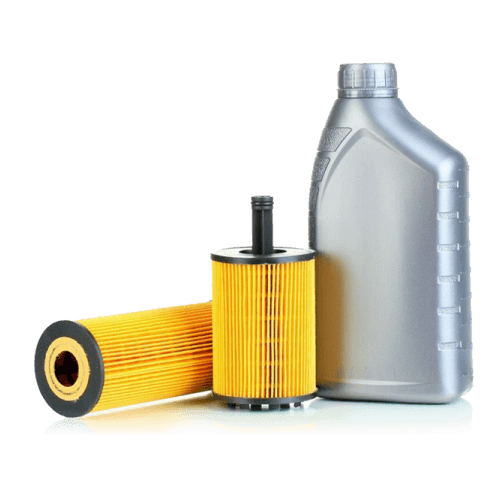
Many people focus only on oil and forget the oil filter. The oil filter removes dirt, metal particles, and contaminants from circulating oil.
Replacing oil without changing the oil filter defeats the purpose of the oil change. A clogged or poor-quality filter can allow debris to circulate, accelerating engine wear.
A complete oil change always includes a quality oil filter replacement.
Warning Signs You’re Overdue for an Oil Change
Your vehicle often gives hints when it needs fresh oil:
- Engine oil warning light
- Dark, dirty oil on the dipstick
- Engine knocking or ticking sounds
- Rough idling
- Reduced fuel efficiency
- Burning oil smell
Ignoring these signs can quickly turn minor issues into major repairs.
Long-Term Benefits of Regular Oil Changes
Consistent oil changes offer long-term advantages that go beyond basic maintenance:
- Longer engine lifespan
- Improved engine performance
- Better fuel economy
- Lower repair costs over time
- Higher resale value
For vehicles you plan to keep long-term—or sell later—maintenance history matters.
DIY Oil Changes vs Professional Service
Some drivers prefer doing oil changes themselves, while others rely on professional service.
DIY oil changes can save money if done correctly, but mistakes such as using incorrect oil, overtightening filters, or improper disposal can cause issues.
Professional oil changes provide convenience, proper disposal, and inspections that may catch issues early. For many drivers, this peace of mind is worth it.
FAQs About Oil Changes
Is it really bad to go a little over the oil change interval?
Occasionally going slightly over may not cause immediate damage, but repeated delays significantly increase engine wear over time.
Can synthetic oil last longer than conventional oil?
Yes. Synthetic oil is designed to resist breakdown and performs better in extreme temperatures, making it ideal for Canadian conditions.
Do I still need oil changes if I don’t drive much?
Yes. Oil degrades over time, even if the vehicle isn’t driven frequently. Most manufacturers recommend changing oil at least once a year.
Does changing oil too often harm the engine?
No. Changing oil more frequently than required doesn’t harm the engine—it simply increases maintenance cost.
Is oil change more important for older vehicles?
Older engines often benefit even more from regular oil changes due to increased wear and looser tolerances.
Final Thoughts
Ongoing oil changes are one of the simplest, cheapest, and most effective ways to protect your vehicle. Skipping or postponing them might save time today, but it almost always leads to higher repair costs later.
By choosing the right oil, replacing the oil filter, and sticking to proper intervals—especially in Canadian driving conditions—you ensure your engine stays healthy, efficient, and reliable for the long run.


