

When Is the Best Time to Check Your Brakes in Canada? Signs, Costs
Brakes are one of the most critical safety components on your vehicle, yet they’re often ignored until something feels wrong. The problem is, by the time you notice braking issues, you may already be risking expensive damage—or worse, unsafe driving conditions.
In Canada, especially with harsh winters, road salt, and stop-and-go city driving, brake wear happens faster than many drivers expect. Knowing when to check your brakes can save you money, improve safety, and prevent emergency repairs.
This guide explains exactly when to inspect your brakes, what signs to look for, how much it costs in Canada, and how to make the smartest replacement decision.
When Should You Check Your Brakes?
There isn’t a one-size-fits-all answer, but there are clear guidelines every driver should follow.
General Rule:
- Every 10,000 to 15,000 km (or at every oil change)
- At least twice a year (spring and fall)
In Canada (More Important):
You should check your brakes:
- After winter ends (salt corrosion damage)
- Before winter starts (maximum safety needed)
- After long highway trips or towing
- If your vehicle sits unused for long periods
Cold weather, moisture, and salt can cause:
- Rust buildup on rotors
- Premature brake pad wear
- Seized calipers

Signs Your Brakes Need Immediate Inspection
Ignoring early warning signs is where most drivers lose money.
1. Squeaking or Grinding Noise
- Squeaking = worn brake pads
- Grinding = metal-on-metal (urgent replacement)
2. Vibrations When Braking
- Usually caused by warped brake rotors
3. Longer Stopping Distance
- Reduced braking efficiency = safety risk
4. Burning Smell After Driving
- Overheating brakes or sticking caliper
5. Soft or Spongy Brake Pedal
- Could indicate fluid or hydraulic issues
If you notice any of these, don’t wait—delaying repairs often turns a simple pad replacement into a full brake job.

Why Brake Wear Is Worse in Canada
Driving conditions in Canada are harder on your braking system compared to many other regions.
Road Salt & Moisture
Salt accelerates corrosion on:
- Brake rotors
- Calipers
- Hardware
City Driving (Ontario especially)
Frequent stop-and-go traffic increases:
- Brake pad wear
- Heat buildup
Temperature Changes
Repeated freezing and thawing can:
- Warp rotors
- Affect braking performance
Brake Replacement Cost in Canada (Realistic Breakdown)
Brake costs vary depending on vehicle type and quality of parts.
Typical Price Range (Per Axle):
| Service | Cost (CAD) |
|---|---|
| Brake Pads Only | $120 – $250 |
| Pads + Rotors | $300 – $700 |
| Full Front & Rear | $600 – $1,400+ |
What Affects Cost:
- European vehicles (usually higher)
- Brand quality (OEM vs economy)
- Labour rates in your area
Smart Recommendation: Replace as a Kit
One of the biggest mistakes drivers make is replacing parts individually.
What Happens:
- Replace pads only → old rotors wear unevenly
- Replace one side → uneven braking
Better Approach:
Replace:
- Brake pads
- Brake rotors
- Hardware (when needed)
This is why many drivers now choose complete brake kits.
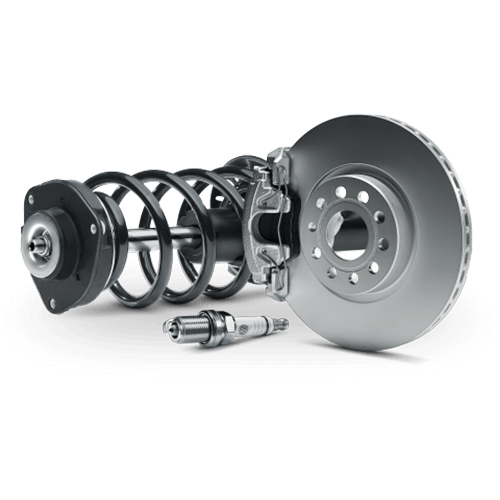
If you’re looking for reliable parts, it’s always better to browse a full selection of brake components that are designed to work together rather than mixing random parts.
These kits often:
- Save money vs buying separately
- Reduce installation time
- Improve braking performance
How to Check Your Brakes (Quick DIY Inspection)
Even without removing wheels, you can do a basic check.
Look Through Wheel:
- Rotor surface (should be smooth, not deeply grooved)
- Pad thickness (less than 3mm = replace)
Listen While Driving:
- Any unusual noise during braking
Feel:
- Vibration or pulling when braking
For a full inspection, a mechanic should:
- Measure rotor thickness
- Check caliper movement
- Inspect brake fluid condition
When Should You Replace Brakes?
Here’s a realistic expectation:
- Brake pads: 30,000 – 70,000 km
- Brake rotors: 50,000 – 100,000 km
But in Canadian conditions, expect the lower end of these ranges.
Cost-Saving Tips Most Drivers Don’t Know
Replace Before It Gets Worse
Waiting too long can:
- Damage calipers
- Increase labour costs
Use Kits Instead of Individual Parts
- Lower total cost
- Better compatibility
Check Brakes Before Winter
Emergency repairs in winter = higher cost + risk
Avoid Cheap Low-Quality Parts
They wear faster and cost more long-term
Final Recommendation
If you’re unsure when your brakes were last checked, don’t wait for a warning sign.
Best practice in Canada:
- Inspect twice a year
- Replace parts as a set
- Use quality components designed for your vehicle
Your brakes aren’t just another maintenance item—they’re your primary safety system.
FAQ
How often should I check my brakes in Canada?
At least every 10,000–15,000 km or twice a year, especially before and after winter.
How do I know if my brake pads are worn out?
Common signs include squeaking, reduced braking power, or visible thin pads.
Is it cheaper to replace only brake pads?
Short-term yes, but long-term no. It often leads to uneven wear and higher costs later.
How much does a full brake job cost in Ontario?
Typically between $600 and $1,400 depending on vehicle and parts quality.
Can I drive with squeaky brakes?
You can, but it’s a warning sign. Ignoring it can lead to serious damage.
Should I replace front and rear brakes at the same time?
Not always required, but often recommended for balanced performance and cost savings.


