

Why Do You Need to Provide Your Car VIN Number When Buying Auto Parts?
When shopping for auto parts online or through a parts specialist, you’re often asked to provide your VIN number. Many customers wonder why this step is necessary when they already know their vehicle’s year, make, and model.
The reason is simple: your VIN allows parts suppliers to match components exactly to your vehicle’s factory configuration, ensuring proper fitment, safety, and performance — especially for modern vehicles.
At BestParts.ca, VIN verification helps eliminate guesswork and ensures customers receive the correct parts the first time.
What Is a VIN Number?
A VIN (Vehicle Identification Number) is a unique 17-character code assigned to every vehicle. It works like a fingerprint and contains critical manufacturing details such as:
• Manufacturer and country of origin
• Model, trim level, and body style
• Engine size and type
• Transmission and drivetrain
• Factory-installed options
Even vehicles that look identical may require different parts based on VIN-specific data.
Why Year, Make, and Model Are Not Always Enough
Many vehicles — especially newer models — are built with multiple configurations in the same production year.
Common differences include:
• Multiple brake system sizes
• Different suspension setups
• Engine revisions during the same year
• AWD vs FWD vs RWD layouts
Without a VIN, selecting parts based only on year, make, and model can easily lead to incorrect fitment. VIN matching ensures accuracy before the order is placed.
How VIN Matching Prevents Costly Mistakes
Ordering parts without VIN verification increases the risk of:
• Wrong parts being shipped
• Installation issues
• Return shipping costs
• Restocking fees
• Repair delays
VIN verification ensures the part is engineered specifically for your vehicle, saving both time and money.
This is especially important when ordering from large online inventories like BestParts.ca, where many similar-looking parts exist.

VIN-Specific Parts in Modern Vehicles
Modern vehicles — particularly European and luxury brands — rely heavily on VIN-specific components.
Examples include:
• Brake pads and rotors
• Control arms and suspension parts
• Wheel bearing assemblies
• Sensors and electronic modules
A small mismatch can cause warning lights, noise, premature wear, or performance issues. VIN verification ensures parts meet OEM specifications.
For suspension and steering components, see the full selection here:
👉 Suspension & Steering Parts
Safety-Critical Parts Require Exact Fitment
Some components directly affect vehicle safety and must be matched precisely.
These include:
• Brake pads and brake rotors
• Wheel bearings
• Control arms
• ABS and airbag sensors
Using the wrong version can impact braking distance, steering control, and overall road safety — especially in Canadian driving conditions.
Browse VIN-matched brake components here:
👉 Brake Parts Collection
Faster, More Accurate Customer Support
Providing your VIN allows parts specialists to:
• Access your vehicle’s factory build sheet
• Confirm compatibility before shipping
• Recommend the best OEM or aftermarket option
• Reduce back-and-forth communication
This results in faster order processing and fewer returns — one of the reasons VIN verification is standard practice at BestParts.ca.
Is It Safe to Share Your VIN?
Yes. Sharing your VIN for parts lookup is safe.
Your VIN:
• Does not contain personal information
• Does not reveal ownership details
• Is already visible through your windshield
It is used strictly to identify vehicle specifications and ensure part compatibility.

Where to Find Your VIN in Canada
You can find your VIN:
• On the driver-side dashboard (visible through the windshield)
• Inside the driver-side door frame
• On your vehicle registration
• On insurance documents
Keeping your VIN handy makes ordering parts faster and more accurate.
When Is a VIN Absolutely Required?
VIN verification is strongly recommended when purchasing:
• Brake kits
• Suspension components
• Engine and drivetrain parts
• Electronic sensors
• European or luxury vehicle parts
For simple maintenance items like wiper blades or cabin air filters, VIN matching may not always be required — but it’s still helpful.
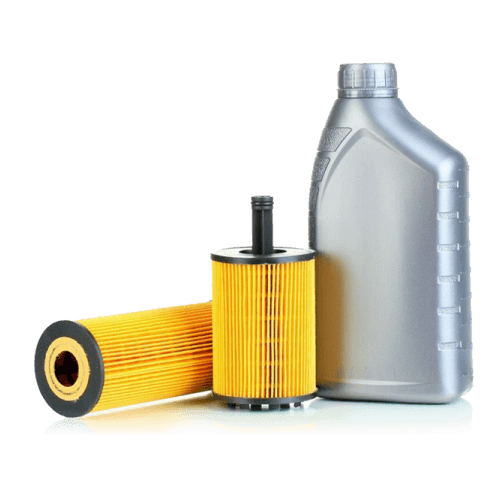
For filters matched to your vehicle, explore:
👉 Filters Collection
Frequently Asked Questions (FAQ)
Do I need a VIN for every auto part?
Not always. Small accessories may not require a VIN, but mechanical, suspension, brake, and electronic parts should always be VIN-verified.
Can two identical cars use different parts?
Yes. Even the same model and year can have different engines, brakes, or suspension systems based on VIN.
Does providing my VIN delay my order?
No. In most cases, VIN verification speeds up processing by confirming compatibility before shipping.
Is VIN matching only for OEM parts?
No. VIN verification is equally important for aftermarket parts to ensure proper fitment and performance.
Final Thoughts
Providing your VIN when buying auto parts is not an extra step — it’s a safeguard.
VIN verification helps ensure:
• Correct fit the first time
• Proper vehicle performance
• Improved safety
• Fewer returns and delays
• Better overall value
If a supplier asks for your VIN, it means they’re committed to accuracy and customer satisfaction. Buying the right part once is always better than fixing mistakes later.


